 521 East Los Angeles Avenue E & F, Simi Valley, California 93065
 (805) 624-7576
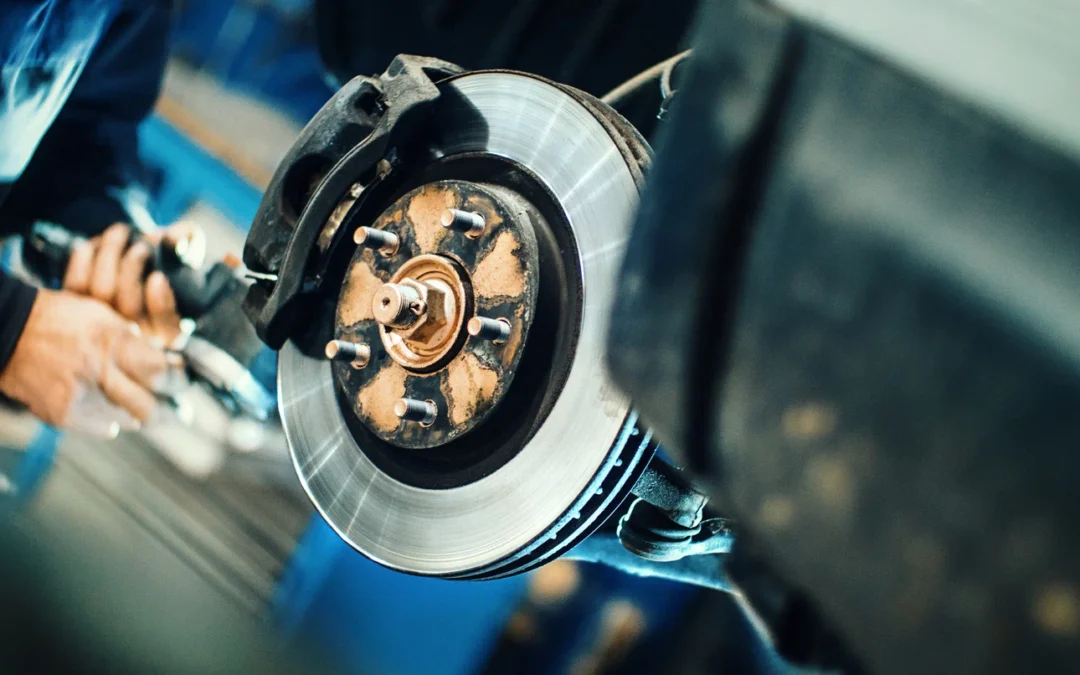
European cars deliver exceptional performance, refined handling, and advanced safety engineering. However, these benefits depend heavily on a properly functioning braking system. If you drive a BMW, Mercedes-Benz, Audi, Volkswagen, Porsche, or MINI in Simi Valley, professional brake service is essential. Brake repair for European cars in Simi Valley requires specialized knowledge, precision tools, and expertise in adhering to European engineering standards.
At German Auto Doctor Simi Valley, European vehicles receive focused care from technicians who understand their complex brake systems. This guide explains everything you need to know about European brake repair, costs, processes, common mistakes, and how to protect your vehicle’s safety and value.
Understanding Brake Systems in European Cars
European manufacturers design brake systems differently from most domestic or Asian vehicles. These systems focus on performance, safety, and driving confidence. European brake systems often include:
- Larger rotors for improved stopping power
- Advanced calipers with precise pressure distribution
- Electronic brake wear sensors
- Performance-focused brake pad compounds
- Integrated safety systems like ABS and stability control
These components work together as a system. Improper service can reduce performance or trigger warning lights.
Why Brake Repair Matters for European Vehicles
Brakes are your vehicle’s most important safety feature. In European cars, the brake system also significantly influences handling, ride comfort, and driving responsiveness. Proper brake repair helps:
- Maintain factory stopping distances
- Protect expensive rotors and calipers
- Prevent dashboard warning lights
- Preserve vehicle resale value
- Ensure safe daily driving in Simi Valley traffic
Ignoring brake issues often leads to more costly repairs later.
How European Brake Systems Differ from Standard Vehicles
European brake systems emphasize precision and performance.
Key differences include:
- Tighter tolerances in components
- Softer brake pads designed for quiet operation
- Rotor materials engineered for heat management
- Electronic integration with safety systems
Using incorrect parts can cause noise, rapid wear, or system malfunctions.
Types of Brake Services for European Cars
Brake repair involves more than replacing pads. European vehicles often require a complete system evaluation.
Common brake services include:
- Brake pad replacement
- Rotor resurfacing or replacement
- Brake fluid flush
- Caliper repair or replacement
- Brake sensor replacement
- ABS diagnostics
Each service addresses a specific aspect of braking performance.
Step-by-Step European Brake Repair Process
Professional European brake repair follows a precise process.
- Step 1: Comprehensive Inspection: Technicians inspect pads, rotors, calipers, sensors, and fluid condition.
- Step 2: Diagnostic Scan: Electronic systems are scanned for brake-related fault codes.
- Step 3: Component Measurement: Rotors and pads are measured against manufacturer specifications.
- Step 4: Part Selection: Correct European-grade parts are selected for your vehicle model.
- Step 5: Precision Installation: Technicians follow torque specifications and calibration procedures.
- Step 6: System Reset and Testing: Brake sensors are reset, and road testing ensures proper performance.
Why Choose a European Brake Specialist
General repair shops often lack experience with European systems.
Benefits of a European specialist include:
- Accurate diagnostics
- Manufacturer-approved parts
- Reduced risk of warning lights
- Longer-lasting brake performance
German Auto Doctor Simi Valley focuses exclusively on European vehicles, ensuring precise and reliable service.
Preventive Maintenance Tips for European Brakes
Preventive care saves money and improves safety.
Maintenance best practices:
- Inspect brakes every 10,000 miles
- Replace pads before they reach minimum thickness
- Flush brake fluid as recommended
- Address warning lights immediately
Routine inspections help identify issues early.
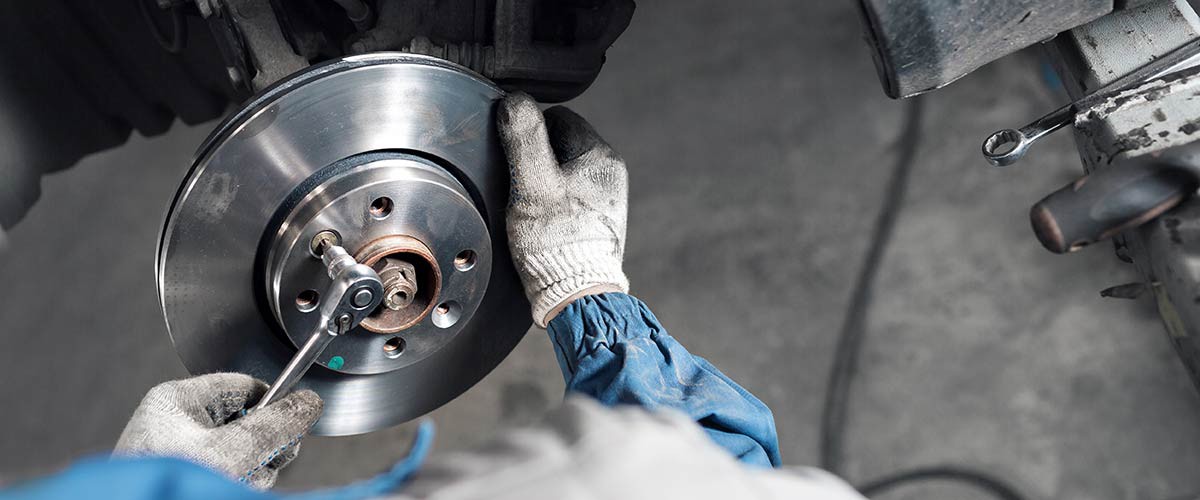
Comparing OEM vs Aftermarket Brake Parts
Choosing the right parts matters for performance and longevity.
| Feature | OEM Parts | Aftermarket Parts |
| Fitment | Exact factory match | Varies by brand |
| Performance | Consistent and reliable | Depends on quality |
| Noise control | Optimized | Can vary |
| Cost | Higher | Lower options available |
European vehicles perform best with OEM or OEM-equivalent components.
How Brake Repair Impacts Resale Value
Proper brake maintenance protects your investment.
Benefits include:
- Complete service records
- Better buyer confidence
- Fewer warning lights
- Improved driving feel
Buyers value well-maintained European vehicles.
Why Local Expertise Matters in Simi Valley
Local driving conditions affect brake wear patterns.
Simi Valley considerations include:
- Daily commuting traffic
- Warm climate impact on brake fluid
- Highway driving heat buildup
Local specialists understand these factors and tailor services accordingly.
Choosing the Right Shop for European Brake Repair
Selecting the right shop ensures safety and peace of mind.
What to look for:
- European vehicle specialization
- Advanced diagnostic equipment
- Transparent pricing
- Strong local reputation
German Auto Doctor Simi Valley meets these standards consistently.
Conclusion
European vehicles demand expert care, especially when it comes to braking systems. Proper brake repair improves safety, performance, and long-term value. Trusting specialists ensures your vehicle receives the attention it deserves.
For reliable brake repair for European cars in Simi Valley, professional service protects both you and your investment. Regular maintenance, quality parts, and experienced technicians make all the difference.
Frequently Asked Questions
What makes European brake systems different?
European brake systems use advanced materials, larger rotors, and electronic sensors for precise braking performance.
How often should European brake pads be replaced?
Most European brake pads last between 30,000 and 50,000 miles, depending on driving habits.
Why does my brake warning light stay on after service?
The brake sensor may need resetting or replacement using specialized diagnostic tools.
How much does brake repair cost for European cars?
Costs vary by model and service, typically ranging from $300 to $1,200.
Can I use aftermarket brake parts on European vehicles?
High-quality aftermarket parts can work, but OEM or OEM-equivalent parts provide the best results.
Is brake fluid service really necessary?
Yes. European brake fluid absorbs moisture faster and requires regular flushing.
What happens if I delay brake repair?
Delaying repairs can damage rotors, reduce stopping power, and increase overall repair costs.